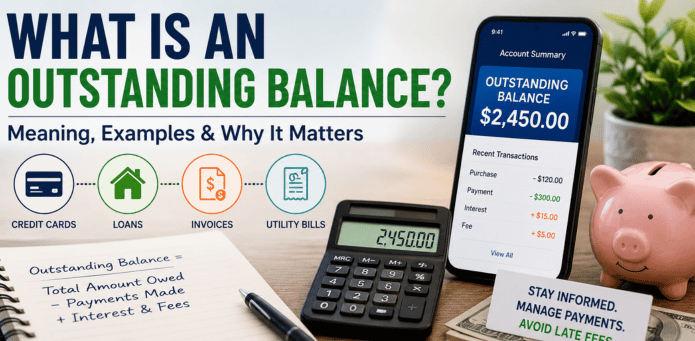
What is an outstanding balance? It’s the total amount of money you currently owe on an account, loan, invoice, or credit card. The figure usually includes unpaid purchases or principal. Depending on the account, it may also include interest, fees, and other posted charges.
You may see this amount when checking a credit card app, reviewing a loan statement, or receiving an unpaid invoice. Understanding the number helps you know what you owe now, what you must pay by the due date, and whether additional costs may apply.
| Category | Overview |
| What is an outstanding balance? | The total amount you currently owe on a credit card, loan, invoice, or other financial account, including unpaid charges and, in some cases, interest and fees. |
| Where can you see it? | Credit card statements, loan accounts, invoices, utility bills, and online banking dashboards. |
| What does it include? | Unpaid purchases, remaining loan principal, outstanding invoices, and any applicable interest or fees. |
| Does it mean the payment is overdue? | No. An outstanding balance simply means the amount is unpaid. It only becomes overdue after the payment due date passes. |
| Why is it important? | Knowing what an outstanding balance is? Helps you manage payments, avoid late fees, monitor debt, and maintain good financial health. |
What Is an Outstanding Balance, and How Does It Work?
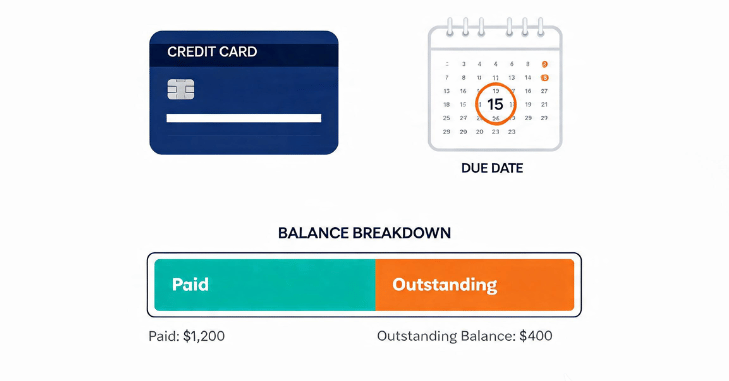
What is an outstanding balance? An outstanding balance represents an open financial obligation at a specific moment. Stripe describes it as the amount charged but not yet paid. The balance remains open until payment, credit, adjustment, or cancellation clears it. The amount can change from day to day. A new purchase, interest charge, or fee may increase it.
A payment, refund, or account credit can reduce it. Suppose your credit card shows $700 in unpaid charges. You make a $250 payment, and no other transactions are posted. The amount you still owe falls to $450. The same idea applies beyond credit cards. A business invoice for $2,000 has a remaining balance of $800 after the customer pays $1,200. A loan’s unpaid amount decreases as the borrower makes principal payments. Non-QM Loans is a useful companion read here.
Where You May See an Unpaid Balance
The term can appear on several types of financial accounts. Its precise calculation depends on the agreement and account type.
Credit cards
On a credit card, the displayed amount often reflects all posted transactions that haven’t been paid. It can include purchases, cash advances, balance transfers, interest, and fees. Recent payments and refunds may also affect the number.
Some pending transactions may not be included yet. A card issuer may display them separately until the merchant completes the transaction.
Loans
For a loan, the remaining amount often refers to the unpaid principal. A lender may also include accumulated interest, late charges, or other fees in the total shown in a statement.
The displayed figure may differ from the loan’s payoff amount. A payoff quote can include interest through a specified date and any permitted closing charges. Contact the lender before sending a final payment.
Invoices
An invoice balance is the amount a customer still owes a business. It may be the full invoice of the total or what remains after a partial payment, discount, credit, or return.
For example, a contractor sends a $1,500 invoice. The customer pays a $500 deposit. The remaining invoice amount is $1,000.
Utility and service accounts
Phone, electricity, internet, medical, and subscription accounts may also show unpaid amounts. These figures can combine previous bills, new charges, taxes, fees, payments, and credits.
Review the itemized bill when the displayed total is higher than expected.
Outstanding Balance vs. Statement Balance
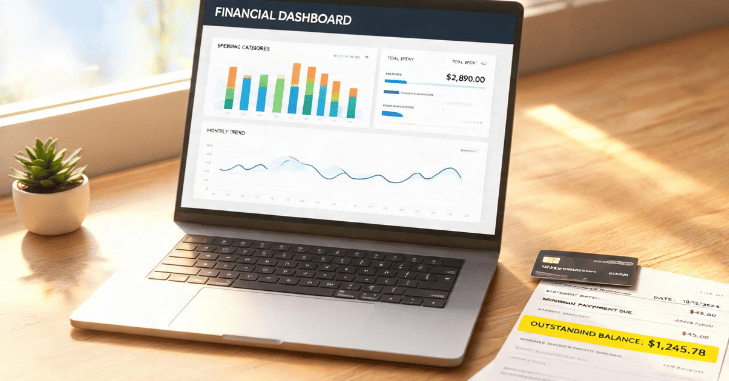
An outstanding or current balance and statement balance can show different numbers. The main difference is timing.
A statement of balance is a snapshot taken when the billing cycle closes. A current balance reflects posted activity after that closing date. Citi explains that the current figure can change as purchases, payments, credits, interest, and fees are posted to the account.
Here’s a simple example:
- Your billing cycle closes at $600 owed.
- Your statement shows $600.
- You spend another $150 after the closing date.
- Your current amount becomes $750 after the purchase of posts.
- The original $600 remains the statement amount due for that cycle.
Is an Outstanding Balance Past Due?
A balance becomes past due when you fail to make the required payment by its deadline. Before that date, the money may still be outstanding without being delinquent.
For example, your credit card statement may show $900 due on August 20. The $900 remains unpaid on August 10, but it isn’t overdue. It becomes past due if you fail to make at least the required payment by August 20.
Check these three figures separately:
- Current balance: The total currently posted to the account.
- Statement balance: The amount recorded when the billing period is closed.
- Minimum payment: The smallest required payment by the due date.
The minimum can help keep an account from becoming late. It normally won’t pay off the debt or prevent further interest when you carry a balance.
Do You Need to Pay the Full Amount?
The answer depends on the type of account and your goal.
For a credit card with a purchase grace period, paying the full statement amount by its due date will generally help you avoid interest on standard purchases. Paying the larger current amount can also cover transactions made after the last statement is closed.
A loan usually follows a scheduled payment plan. You may not need to pay the entire remaining principal at once. Instead, you must make the contractual installment unless you choose to request an early payoff.
An invoice may require the full remaining amount by a stated date. Some businesses accept installments, but that arrangement should be confirmed in writing.
Before paying, check:
- The account’s payment is due date.
- The amount required by that date.
- Whether interest is accruing.
- Whether early-payment or payoff rules apply.
- Whether pending payments have already been scheduled.
How Interest and Fees Affect the Amount
Interest can increase your outstanding balance
- Credit card issuers may charge interest when you carry billed debt beyond the grace period.
- Cash advances and some balance transfers may begin accruing interest sooner, depending on the card agreement.
Loans may accumulate additional costs
- Loan interest may be added daily or monthly under the terms of the agreement.
- Late charges can apply when a scheduled payment isn’t received on time.
Invoices may include extra charges
- An invoice may include late fees or finance charges when the contract permits them.
- Review the original agreement before disputing any added cost.
How to Check What You Owe
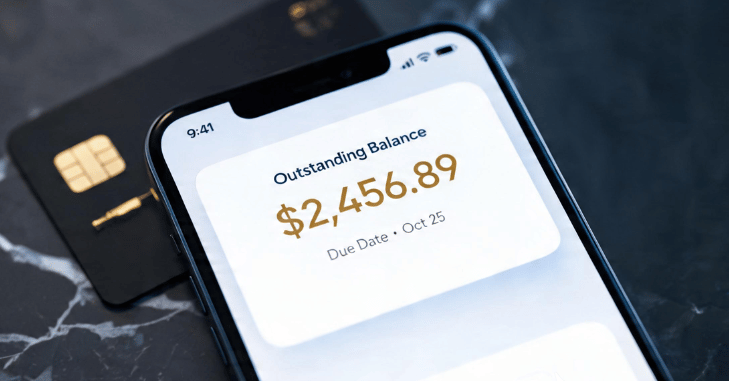
Start with the lender’s, card issuer’s, or service provider’s official app or website. Look for labels such as current balance, amount owed, remaining principal, invoice balance, or total due.
Then compare the number with your latest statement. Confirm that recent payments, refunds, and credits have been posted correctly.
Contact the account provider when:
- Payment is missing.
- You don’t recognize the charge.
- The amount doesn’t match your records.
- You need an exact loan payoff quote.
- You can’t make the required payment.
- You believe a fee or interest charge is incorrect.
A Practical Balance Example
Assume your card statement closes at $800. You then make a $300 payment and spend $120 on groceries.
After both transactions post:
- Starting statement amount: $800
- Payment: minus $300
- New purchase: plus $120
- Current amount owed: $620
- Unpaid portion of the old statement: $500
This example shows why the number in your banking app may not match the original statement. One reflects recent activity, while the other records the balance on a past closing date.
You should still confirm the payment requirement shown by your issuer. The current figure alone doesn’t always tell you how much is due or when it must be paid.
Conclusion
Understanding what an outstanding balance is? is essential for managing your finances effectively, whether you’re using a credit card, repaying a loan, or paying business invoices. An outstanding balance simply represents the amount you still owe, but knowing how it changes with payments, interest, and fees can help you avoid unnecessary costs and stay on top of your financial obligations.
By regularly reviewing your account statements, paying attention to due dates, and monitoring your balances, you can make smarter financial decisions, protect your credit health, and maintain better control over your money.
Apart from that, if you want to know about Statement Balance vs Current Balance: A Complete Guide to Credit Card Payments, Interest, Billing Cycles, and Credit Score Impact, then please visit our Credit Category.
Frequently Asked Questions
What is an outstanding balance on a credit card?
Does an outstanding balance hurt your credit score?
Why do I have a balance after making a payment?
What does a negative outstanding amount mean?
Can I pay more than the statement amount?
Review Your Account Before Paying
An unpaid figure tells you how much remains open, but it doesn’t always show what must be paid today. Review the statement balance, minimum payment, due date, recent transactions, and account terms together.
Open your latest statement and compare it with the current figure in your account. That simple check can help you avoid late payments, duplicate payments, and unexpected interest