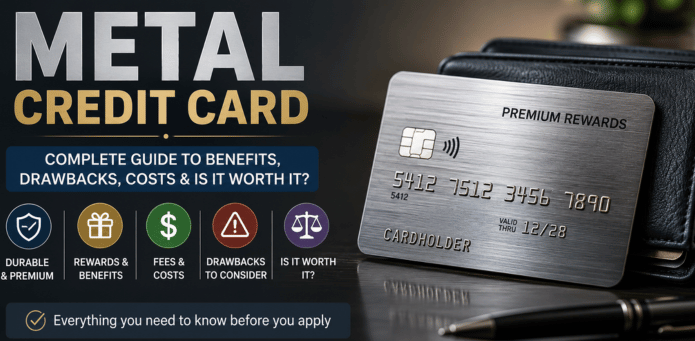
A metal credit card works much like a traditional plastic card, but its body contains metal or a metal-plastic composite. It may feel more durable and premium, yet the material alone doesn’t improve your rewards, interest rate, credit limit, or consumer protections.
Before applying, compare the annual fee, rewards, credits, and eligibility requirements. The card’s appearance should be a minor factor in your decision.
| metal credit card | What you should know |
| Main difference | The card body contains metal rather than only plastic |
| Payment function | You can usually tap, insert, or swipe it like another card |
| Common materials | Stainless steel, titanium, alloys, or composite layers |
| Typical advantage | Greater durability and a premium feel |
| Common drawback | Extra weight and more difficult disposal |
| Credit impact | Determined by account use, not the card material |
| Best suited to | People who can gain enough value from the card’s benefits |
What Is a Metal Credit Card?
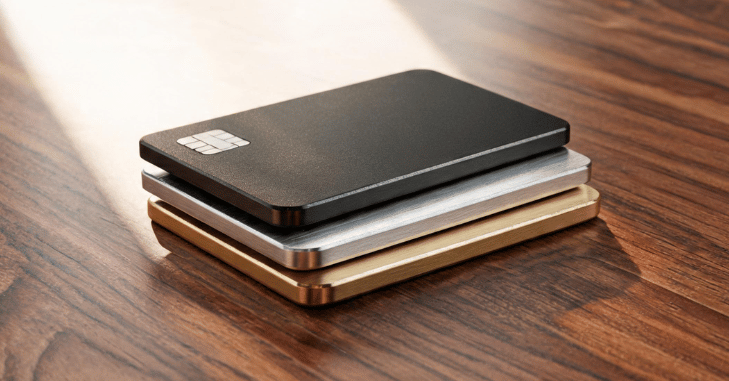
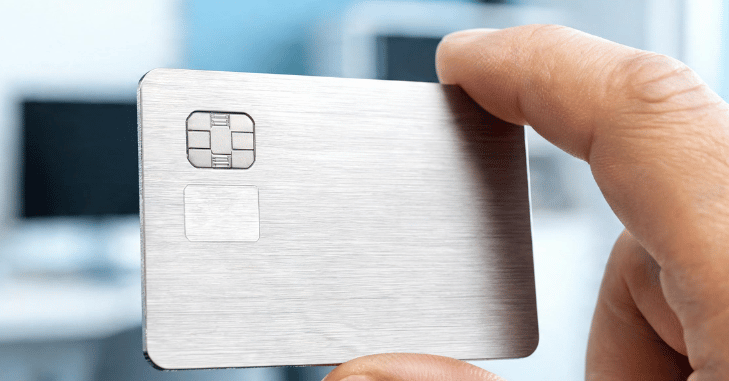
A metal card is a payment card made from stainless steel, titanium, another alloy, or a combination of metal and plastic. It contains the same basic payment information and technology found in a conventional card. Most versions include an EMV chip and may support contactless payments.
You can generally use one by tapping, inserting, or swiping it at a compatible terminal. Discover notes that the material does not change the basic way the account works. The heavier construction gives the card a distinctive feel. Metal payment cards can use several materials, including stainless steel, titanium, alloys, palladium, and gold. That premium construction doesn’t create better account terms by itself. Those depend on the issuer and the specific product.
Metal Credit Card Benefits and Drawbacks
The material can make a card more pleasant to carry and harder to bend. Still, its practical limitations deserve as much attention as its appearance.
| Factor | Potential benefit | Potential drawback |
| Construction | Resists bending and everyday wear | Can feel heavy in a slim wallet |
| Appearance | Distinctive, premium design | Style adds no direct financial value |
| Rewards | Premium products may include useful perks | Benefits may come with a large annual fee |
| Payments | Usually works like a plastic card | Some terminals may handle thick cards poorly |
| Disposal | Less likely to break accidentally | Cannot normally be cut with household scissors |
| Replacement | Durable enough for regular use | Old cards may need to be returned to the issuer |
Pros
- Greater physical durability: Metal construction is less likely to bend or crack during normal use. The University of California, Riverside, highlights durability as one of the clearest practical advantages over plastic.
- Premium appearance: The added weight, finish, and sound may appeal to cardholders who prefer a more substantial product.
- Possible premium benefits: Many metal products are positioned as travel or rewards cards. Depending on the account, benefits may include statement credits, airport lounge access, insurance, or bonus rewards.
Cons
- Extra weight: Traditional plastic cards are lighter and often more convenient for people who carry several cards.
- Possible annual fees: Premium products frequently charge annual fees. A stylish card becomes expensive when you don’t use enough of its rewards or credits to recover that cost.
- Difficult disposal: A standard home shredder or pair of scissors may not safely destroy the card. Issuers often ask customers to return expired metal cards.
- No automatic financial advantage: A heavier card doesn’t guarantee stronger rewards, a lower annual percentage rate, or better approval terms.
Does the Material Affect Your Credit Score?
Credit scoring models focus on how you manage the account. Relevant factors can include payment history, reported balances, credit utilization, account age, and recent applications. A late payment on a premium account can still damage your credit. Carrying a large balance can also cost more in interest than you earn through points or travel benefits.
To manage the account responsibly:
- Pay at least the required minimum by the due date.
- Pay the full statement balance when possible.
- Keep spending within a planned budget.
- Review statements for errors or unfamiliar transactions.
- Avoid applying only because the card looks exclusive.
Writingley’s guide to statement balance versus current balance explains which amount usually needs to be paid to avoid purchase interest.
How to Decide Whether One Is Worth It?
Ignore the appearance for a moment and evaluate the account as you would any other financial product.
Calculate the first-year cost
Add the annual fee and any expected interest or service charges. Then subtract the value of rewards, credits, and benefits you’ll realistically use. Don’t value a benefit at its advertised price when you wouldn’t otherwise buy it. A $200 credit saves you $200 only when it replaces spending you already planned.
Review the rewards structure
Check which purchases earn bonus points or cash back. A card that rewards travel may offer little value when most of your spending goes toward groceries, fuel, or household bills. Compare redemption rules as well. Points may have different values when used for cash, statement credits, flights, hotels, or transfers to loyalty programs.
Examine the interest rate
Rewards become less valuable when you regularly carry a balance. Interest charges can quickly exceed the value of points or cash back. The account’s annual percentage rate matters more than the material used to manufacture it.
Check the approval requirements
Premium cards may be marketed to applicants with established credit histories and adequate income. Approval standards vary by issuer, and applying can create a hard inquiry on your credit report.
Review eligibility information or prequalification options before submitting a full application.
Compare a plastic alternative
Look for a lower-fee product offering similar rewards. A plastic card may offer the same earning rates and protections without charging a premium for its positioning.
The site’s personal finance articles can also help you evaluate the choice within your wider budget.
A Simple Card-Value Test
Use this calculation before applying:
Expected annual value = rewards earned + credits used + benefits used − annual fee
Suppose a card charges a $250 annual fee. During a typical year, you expect to receive:
- $120 in rewards from planned spending
- $100 in travel credits you’ll fully use
- $60 in lounge visits you would otherwise purchase
Your estimated value would be:
$120 + $100 + $60 − $250 = $30
The product may provide $30 of net value. That margin is small, so a change in your travel or spending habits could make the card unprofitable. Run the same calculation for at least one lower-fee alternative. This comparison turns an emotional purchase into a financial decision.
How to Dispose of an Expired Metal Card?
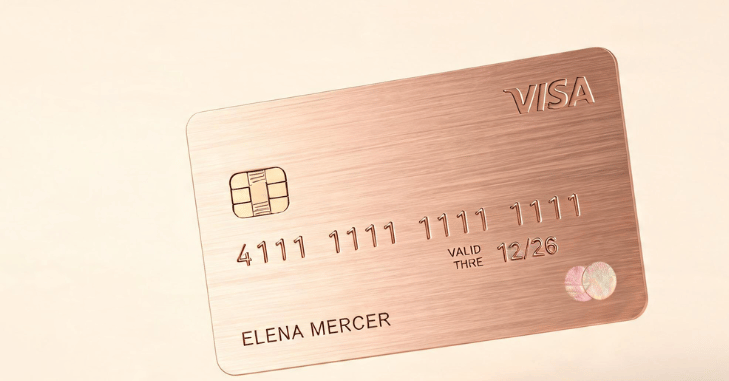
- Don’t place it in a household paper shredder. The metal can damage the machine and create sharp fragments.
- Start by contacting the issuer through the number on the card or in its official app.
- Many companies provide a return envelope or instructions for secure disposal.
- Chase advises cardholders to ask their issuer about available return options.
Before sending it:
- Confirm that the replacement card works.
- Remove the expired card from digital wallets when required.
- Follow the issuer’s return instructions.
- Use tracked delivery when the issuer recommends it.
- Keep account information protected during the process.
- Don’t drill, burn, melt, or force the card through unsuitable machinery. Returning it is usually safer.
Who Should Consider Getting One?
A premium card may make sense when you travel often, use its included credits, pay balances in full, and earn enough rewards to offset the fee.
It may not suit you when
- You carry balances from month to month.
- You want a simple no-fee account.
- You rarely use travel or lifestyle benefits.
- You’re applying mainly for its appearance.
- A cheaper product offers similar rewards.
The best choice is the account that supports your spending habits at the lowest reasonable cost. Its construction should remain a secondary consideration.
Conclusion
A metal credit card can be a worthwhile choice if its rewards, travel benefits, statement credits, and purchase protections provide more value than its annual fee. While the premium design and durable construction make it stand out from traditional plastic cards, the material itself does not improve your credit score, lower your interest rate, or increase your spending power.
Before applying, compare the card costs, rewards, eligibility requirements, and long-term value with similar alternatives. If the benefits align with your spending habits and financial goals, a metal credit card can be a smart addition to your wallet. Otherwise, a lower-fee plastic card may offer the same financial advantages without the extra cost.
If you want to read an interesting article about it, explore our Credit category.