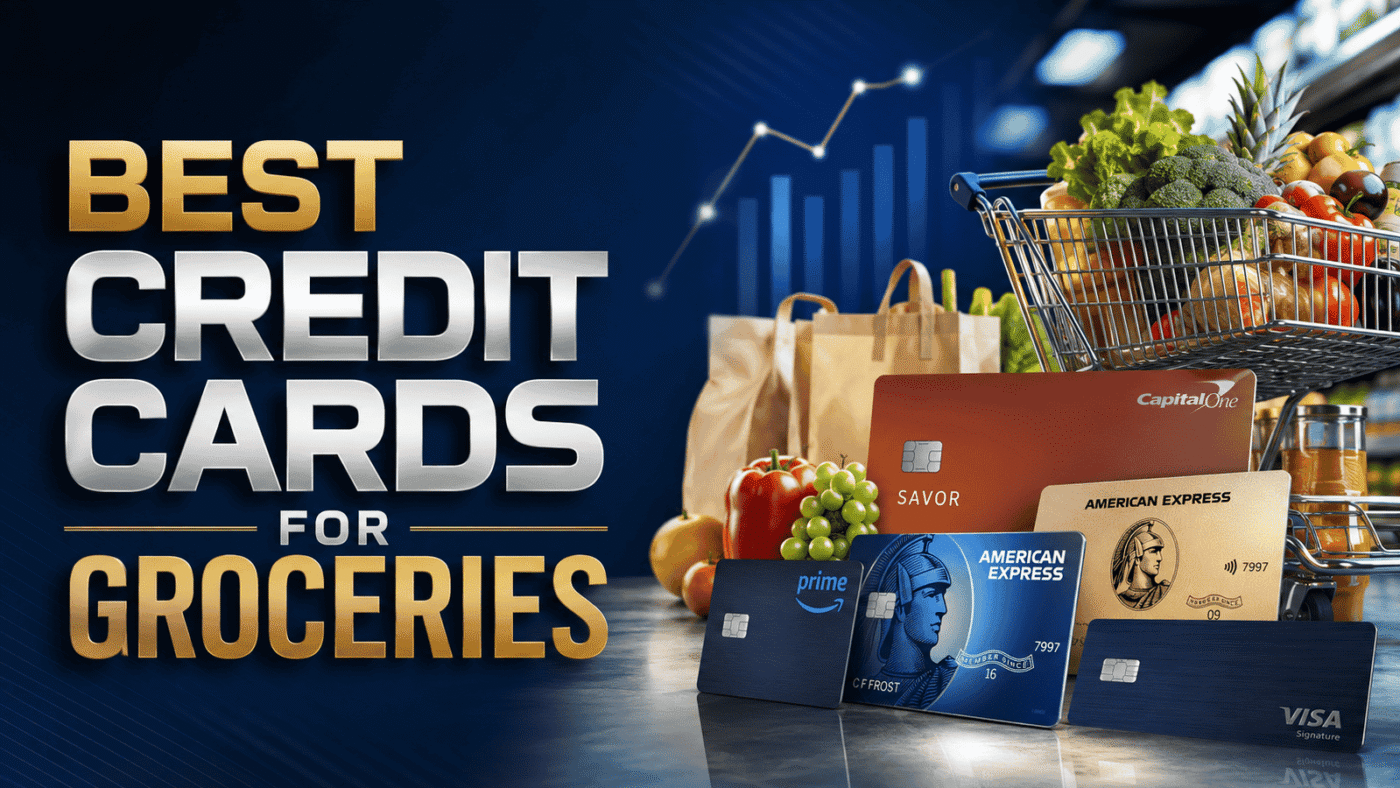
The best credit card for groceries is the Blue Cash Preferred® Card from American Express for most households spending about $264 to $500 monthly at eligible U.S. supermarkets. It earns 6% cash back on up to $6,000 in annual supermarket purchases, then 1%. Its $95 fee applies after the first-year introductory $0 fee.
Your ideal choice may differ if you shop at Whole Foods, warehouse clubs, or superstores. Spending levels, annual fees, reward caps, and merchant coding can all change the result.
| Best for | Recommended card | Grocery reward | Annual fee |
| Most supermarket shoppers | Blue Cash Preferred | 6% on up to $6,000 yearly, then 1% | $0 intro first year, then $95 |
| No annual fee and broad spending | Capital One Savor | Unlimited 3% | $0 |
| Moderate supermarket spending | Blue Cash Everyday | 3% on up to $6,000 yearly, then 1% | $0 |
| Whole Foods and Amazon Fresh | Prime Visa | Unlimited 5% with eligible Prime membership | $0 card fee |
| Grocery and wholesale-club shoppers | AAA Daily Advantage Visa Signature | 5% groceries; 3% wholesale clubs and gas, subject to combined cap | $0 |
| Travel-points collectors | American Express Gold | 4X on up to $25,000 yearly, then 1X | $325 |
Our Verdict
Blue Cash Preferred is our top pick for supermarket cash back. Its 6% rate can yield $360 in earnings on $6,000 of qualifying annual spending. After subtracting the $95 fee, $265 remains before accounting for streaming, gas, transit, or statement-credit benefits.
Capital One Savor is the stronger low-maintenance option. It earns unlimited 3% back at qualifying grocery stores and several other everyday categories, with no annual fee.
The break-even point between these two choices is about $3,167 in eligible annual supermarket spending, or roughly $264 monthly. Below that level, Savor’s fee-free 3% can return more. Above it, Blue Cash Preferred usually pulls ahead until its $6,000 supermarket cap is reached.
Comparing The Best Credit Card For Groceries
1. Blue Cash Preferred: Best Overall For Cash Back
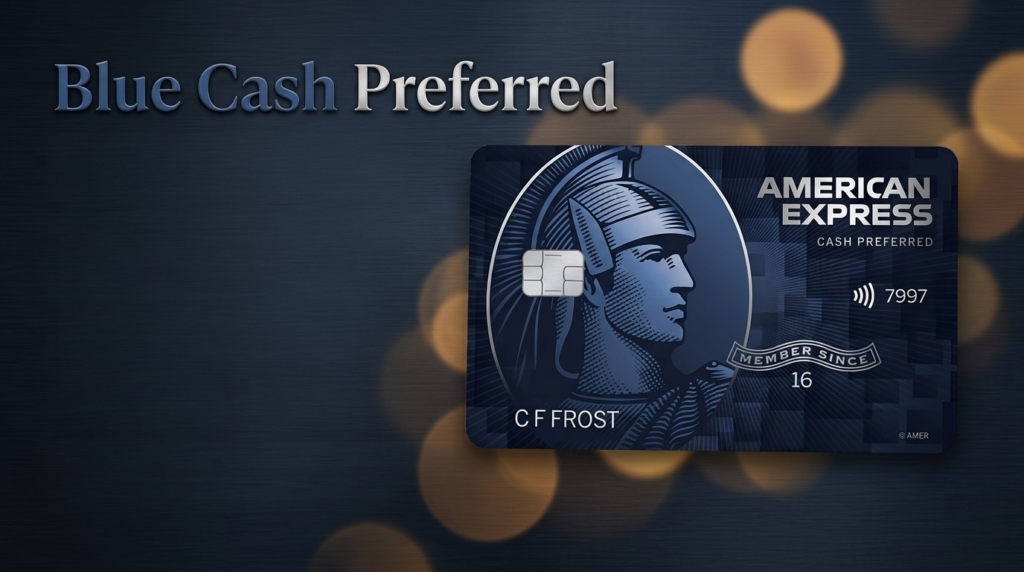
Blue Cash Preferred earns 6% cash back at eligible U.S. supermarkets on the first $6,000 spent each calendar year. Purchases beyond that amount earn 1%. The card also earns 6% on select U.S. streaming subscriptions and 3% at eligible U.S. gas stations and on transit.
Pros
- One of the highest straightforward supermarket rates
- Strong rewards on streaming, fuel, and transit
- Simple statement-credit redemption
- First-year introductory $0 annual fee
Cons
- $95 yearly fee after the first year
- The elevated supermarket rate stops after $6,000
- Superstores and warehouse clubs may not qualify
This option suits households spending between $264 and $500 per month at traditional supermarkets. Spending far above $500 monthly reduces the effective return because purchases over the annual cap earn only 1%.
2. Capital One Savor: Best No-Fee All-Rounder
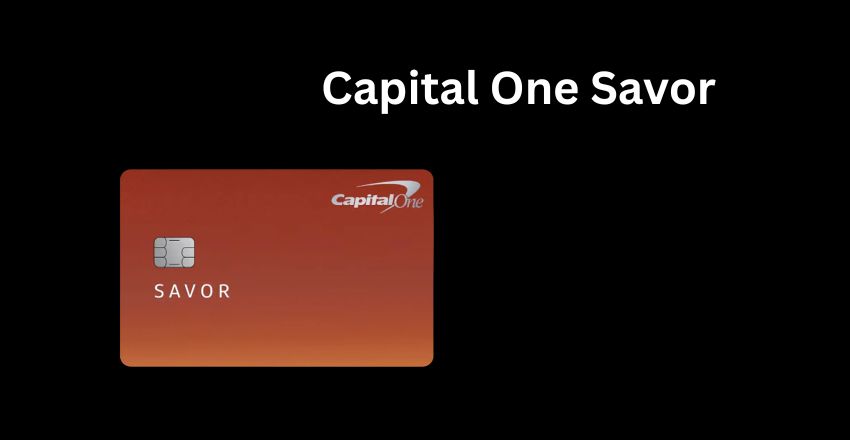
Capital One Savor earns unlimited 3% cash back at grocery stores.., restaurants, on entertainment, and with popular streaming services. It has no annual fee or foreign transaction fee.
Pros
- No annual reward cap
- No yearly fee
- Useful bonus categories beyond food shopping
- Less tracking than cards with quarterly or annual limits
Cons
- Lower supermarket rate than the leading paid option
- Walmart, Target, and similar superstores are excluded
- Requires excellent credit under Capital One’s published profile
Savor works well for people who want one simple rewards card. It also suits households that spend more than $6,000 annually at eligible food stores, because the 3% rate remains uncapped.
3. Blue Cash Everyday: Best For Moderate Budgets
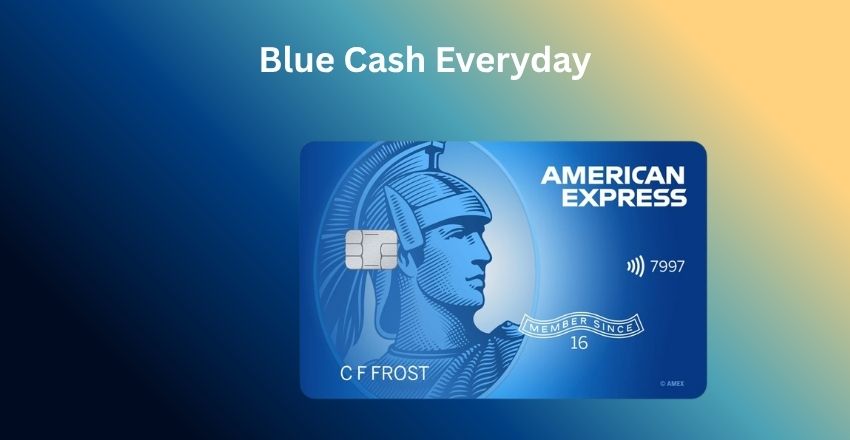
Blue Cash Everyday is the best credit card for groceries, earning 3% cash back at U.S. supermarkets on up to $6,000 in purchases per year, then 1%. Separate 3% categories cover eligible U.S. gas-station and online retail purchases, each with its own $6,000 annual limit. The card has no annual fee.
Pros
- No annual fee
- Multiple useful 3% categories
- A good fit for smaller supermarket budgets
- Straightforward cash-back structure
Cons
- Grocery earnings are capped
- Less attractive than Savor after reaching the cap
- Qualifying purchases must be made at U.S. supermarkets
Choose this option when your annual eligible supermarket spending is under $6,000, and online shopping or fuel expenses also make up a large part of your budget.
4. Prime Visa: Best For Whole Foods And Amazon Fresh
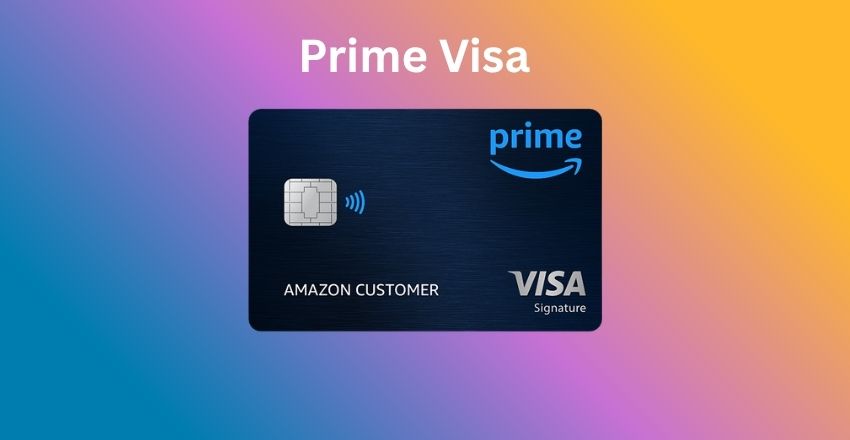
Prime Visa earns unlimited 5% back at Whole Foods Market, Amazon Fresh, Amazon.com, Audible, and Chase Travel when linked to an eligible Prime membership. It also earns 2% at gas stations, restaurants, and on local transit. Chase charges no annual card fee.
Pros
- Unlimited 5% in its main categories
- No separate annual card fee
- Strong option for existing Prime members
- Rewards cover more than food purchases
Cons
- The 5% rate requires eligible Prime membership
- Poor fit for shoppers using unrelated supermarket chains
- Prime membership has its own cost
This is the clear category winner for loyal Whole Foods and Amazon Fresh customers. A broad supermarket rewards product will usually serve other shoppers better.
5. AAA Daily Advantage Visa Signature: Best For Mixed Grocery And Club Shopping
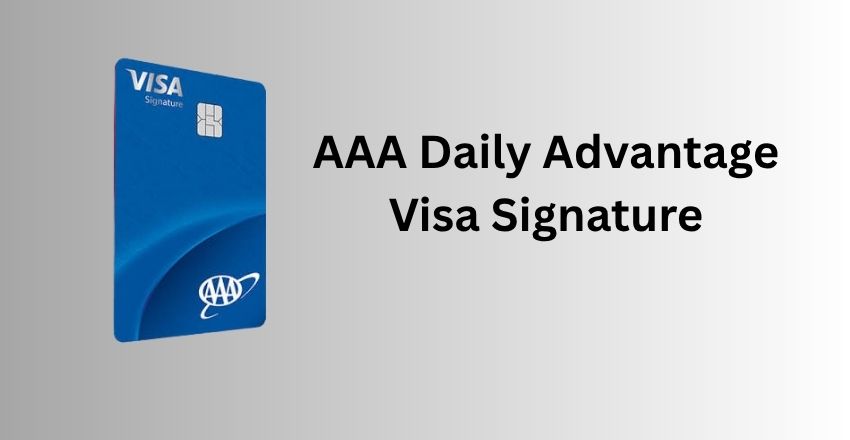
The AAA Daily Advantage Visa Signature is one of the best credit card for groceries, earning 5% cash back on grocery-store purchases and 3% at wholesale clubs, gas stations, and electric-vehicle charging stations. The 5% and 3% categories share a $10,000 annual spending limit, after which purchases earn 1%. The card has no annual fee, and AAA membership is not required.
Pros
- High grocery rate without a yearly fee
- Rewards wholesale-club purchases
- Useful gas and EV-charging categories
- Available to non-AAA members
Cons
- Bonus categories share one annual cap
- The issuer relationship may vary by AAA club region
- Redemption and servicing may feel less familiar than major-bank programs
This option deserves attention when you split food purchases between supermarkets and stores such as Costco. Many supermarket-focused products exclude wholesale clubs from their main bonus rate.
6. American Express Gold: Best For Travel Rewards

American Express Gold earns 4X Membership Rewards points at U.S. supermarkets on up to $25,000 in purchases per calendar year, then 1X. It also earns 4X at restaurants worldwide, subject to a separate $50,000 annual cap. The annual fee is $325.
Pros
- High annual supermarket spending limit
- Transferable points can suit frequent travelers
- Strong dining rewards
- Several dining and lifestyle credits may offset the fee
Cons
- High annual fee
- Point value depends on redemption
- Cash-style redemptions can provide less value than travel transfers
- Credits require enrollment and specific spending
Pick Gold only when you value Membership Rewards points and can use enough included credits. A cash-back product is easier for shoppers who prefer predictable savings.
Check Where You Buy Food
A high advertised rate means little when your store does not qualify. Issuers commonly treat traditional supermarkets differently from superstores and warehouse clubs. Walmart and Target purchases are often excluded from grocery bonus categories, while Costco is typically coded as a wholesale club.
Review several recent statements before choosing. List your spending by merchant rather than grouping every food purchase. This simple check can prevent you from applying for a product that earns only its base rate at your usual store.
Calculate Your Likely Annual Return
Use this formula:
Eligible yearly spending × reward rate − annual fee = estimated net rewards
Suppose you spend $400 monthly at qualifying supermarkets:
- Blue Cash Preferred: $4,800 × 6% − $95 = $193
- Capital One Savor: $4,800 × 3% = $144
- Blue Cash Everyday: $4,800 × 3% = $144
- AAA Daily Advantage: $4,800 × 5% = $240, assuming the full amount qualifies and shared-category spending stays within its cap
This comparison shows why no single product can win for every household. Store eligibility and spending in other bonus categories can change the final value.
Welcome bonuses may add substantial first-year value, but they can change without notice. Base your long-term decision on normal rewards, fees, caps, and redemption options.
How To Choose Your Card?
Start with these four questions for the best credit card for groceries:
- Where do you shop? Check whether your usual merchants code as supermarkets, superstores, warehouse clubs, or online retailers.
- How much do you spend? Compare your annual total with each reward limit.
- Do you want cash or travel points? Cash is simpler. Transferable points can be more valuable but take more work.
- Will you pay in full? Interest charges can quickly erase months of rewards.
Rewards should never encourage extra purchases. Set automatic payment for the full statement balance when your budget allows. A 3% to 6% grocery return cannot offset a revolving annual percentage rate that may exceed 20%.
Final Verdict
Choose Blue Cash Preferred when you spend roughly $264 to $500 monthly at qualifying U.S. supermarkets and pay balances in full. Select Capital One Savor for unlimited, fee-free rewards with less tracking. Whole Foods shoppers should consider the Prime Visa,
While warehouse club customers should review the AAA Daily Advantage. Before applying, check your credit profile, your largest grocery merchants, and the issuer’s current terms. Compare estimated yearly rewards after fees rather than choosing the highest advertised percentage.
Want to read more about Statement Balance vs Current Balance? Then visit our credit category on this site.